Common Car Key Problems and What to Do
A car key can fail mechanically, electronically or because the vehicle itself has stopped recognising it. Replacing the whole key is not always the first or correct answer.
This guide separates the common symptoms: worn blades, cracked cases, dead remote batteries, transponder faults, smart-key problems, immobiliser warnings and steering-lock issues.
Why has my car key suddenly stopped working?
Start by identifying what has failed. If the blade will not turn, the issue may be mechanical. If the remote buttons fail but the car still starts, the remote side may be the problem. If the vehicle says “key not detected” or will not authorise starting, the transponder, smart-key system, immobiliser, steering lock or vehicle electronics may need diagnosis.
Problem 1: the remote buttons do not lock or unlock the car
A remote that stops operating the central locking is one of the most common key complaints, but it does not automatically mean the entire key is dead. The first distinction is whether the vehicle still starts normally. If it does, the immobiliser transponder may still be authorised while the remote-control side has a battery, button or circuit problem.
Check the owner’s manual for the correct battery type and replacement procedure. Some cases are easy to open without damaging them; others are clipped or sealed in a way that makes careless prying more expensive than the battery itself. If a fresh battery makes no difference, the buttons, board, solder joints, water damage or remote synchronisation may need attention.
Do not keep pressing a cracked or collapsed button harder. That can damage the microswitch or circuit board. A failing remote is usually cheaper and less disruptive to address while the vehicle still starts reliably.
Problem 2: the key blade is worn, bent or broken
Mechanical wear can show up as a key that needs to be jiggled, inserted at a particular angle or pushed harder than before. The temptation is to blame the lock immediately, but a badly worn blade can also be the cause. Comparing the everyday key with an unused spare can sometimes make the wear obvious.
A bent or cracked blade should not be repeatedly forced in an ignition or door lock. If it snaps inside, the job changes from a replacement-key problem to broken-key extraction and possibly lock or ignition work. If part of a key has already broken, avoid pushing the fragment further into the mechanism.
AutoKeyChase’s Broken Car Keys service covers supported damaged-key situations. Depending on the key, the useful electronic components may sometimes be retained while the blade or housing is replaced; on other keys a full replacement is the cleaner route.
Problem 3: the vehicle says the key is not recognised
A “key not detected”, immobiliser warning or no-start condition requires more care than simply ordering another fob. The fault might be in the key transponder or smart-key electronics, but it could also involve the vehicle battery, antenna, immobiliser, steering-lock system, wiring or another control module.
If a spare key works normally, that is useful diagnostic information because it points more strongly toward the first key. If neither key is recognised, the probability of a vehicle-side fault increases. That does not prove the diagnosis, but it changes where a technician should look.
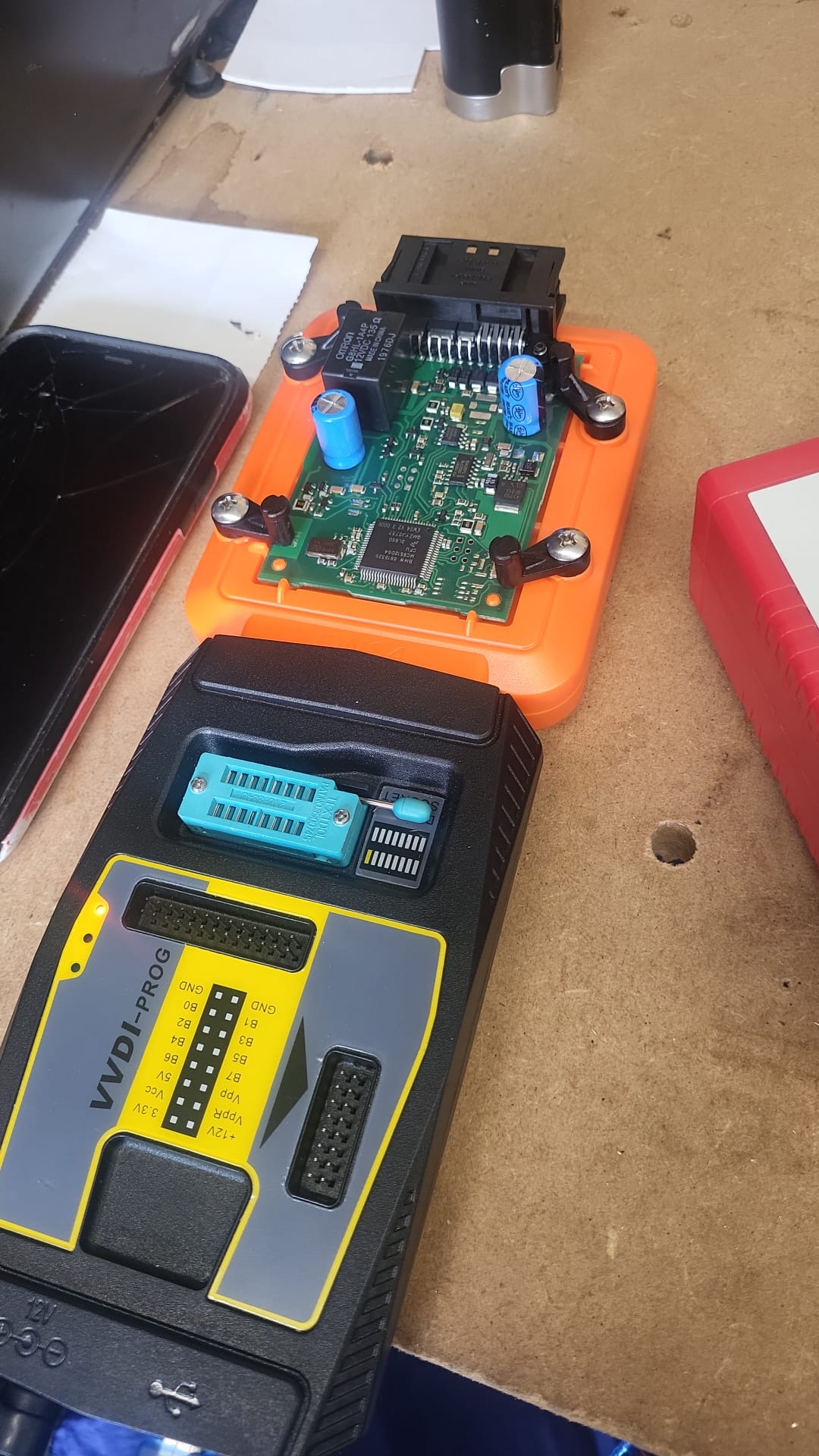
For supported vehicles, AutoKeyChase uses professional diagnostic and key-programming platforms rather than assuming every “not recognised” message needs a new key. See Immobiliser Diagnostics if the vehicle is rejecting known keys.
Problem 4: a push-button-start car only works when the fob is very close
Smart-key systems can behave differently when the fob battery becomes weak. A vehicle may stop detecting the key at normal distance yet still provide an emergency recognition point or backup procedure described in the owner’s manual. The exact method is manufacturer-specific, so use the manual rather than copying a generic trick from another brand.
If a fresh fob battery does not restore normal operation, the issue may involve the key electronics, vehicle antennas or smart-key system. Intermittent faults are especially useful to document: note whether the problem happens only after the car has been parked, only at one location, or only with one of the keys.
Smart-key diagnosis benefits from having both available keys and the vehicle present. If only one key remains, consider creating a spare before the problem gets worse.
Thatcham Research – Security Technology provides independent context on modern vehicle security and digital-key systems.
Problem 5: the key turns but the engine does not start
On many vehicles the mechanical action of turning the ignition and the electronic authorisation to start are separate. A blade can turn correctly while the immobiliser refuses to authorise the engine because the transponder is missing, damaged or not programmed to the vehicle.
This is why a plain metal copy of a modern key may open a door but not start the car. A complete replacement can require the right blade profile plus an appropriate transponder, remote or smart-key component and vehicle programming.
Other vehicle faults can produce similar symptoms, including battery, ignition-switch, steering-lock or engine-management problems. If the dashboard behaviour is unusual, tell the locksmith exactly what lights or messages appear rather than reducing the description to “the key won’t start it”.
Problem 6: the key is locked inside the vehicle
A key visible on the seat is not a key-programming problem. It is a vehicle-entry problem, and the priority is to regain access without creating extra damage. Modern doors contain airbags, wiring, weather seals and locking components, so forcing a frame or probing blindly can turn an uncomplicated lockout into body, trim or electrical repairs.
AutoKeyChase uses professional non-destructive entry methods wherever the vehicle design, lock condition and situation allow. If the vehicle is running, a child or vulnerable person is inside, or there is another immediate safety risk, use the appropriate emergency service rather than treating it as an ordinary lockout.
For normal lockouts, see Vehicle Unlocking or the detailed guide on keys locked inside a car.
Problem 7: the steering lock or ignition is the real fault
Some customers replace a key because the ignition will not turn or the vehicle will not release the steering lock, only to discover that the key was not the main problem. Mechanical ignition wear, electronic steering-lock faults and related security-system problems can produce symptoms that look like a bad key.
Do not force a steering wheel or ignition repeatedly. Excess force can damage components and make a repair more involved. Describe whether the key inserts normally, whether the steering wheel is locked, whether the ignition turns, and what the dashboard does when you try to start.
AutoKeyChase has a dedicated Steering Lock & Ignition service for supported faults. The correct approach is diagnosis first, parts second.
A practical decision tree before you buy a new key
Use the symptoms to decide what to do next. If the remote alone has failed, check the correct battery and case condition. If the blade is damaged, stop forcing it and have the key assessed. If one key works and one does not, bring both because that comparison is diagnostically useful. If neither key is recognised, treat it as a possible vehicle-side security fault rather than automatically buying two new fobs.
Remote fails, car starts
Battery, buttons, board or remote pairing may be the issue.
Blade difficult to turn
Key wear, lock wear or ignition wear needs mechanical assessment.
Key not detected
Transponder, smart-key or immobiliser diagnosis may be needed.
No keys remain
Use the all-keys-lost route rather than a normal spare-key process.
When contacting AutoKeyChase, send the registration, make, model, year, exact symptoms and whether another working key is available. That is enough to avoid many unnecessary replacement-key guesses.
Related AutoKeyChase Guides & Services
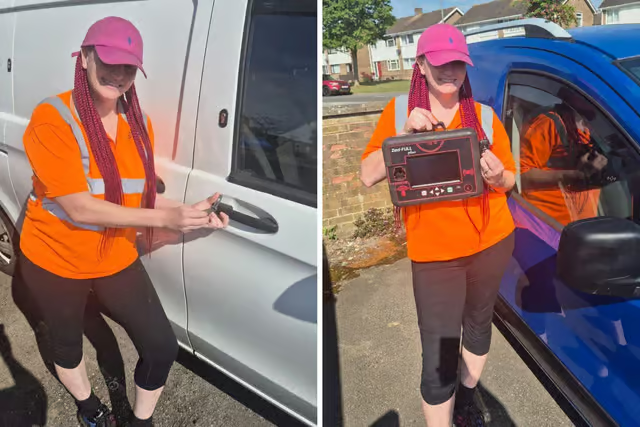
Automotive Locksmith Experience Behind the Advice
AutoKeyChase is a family-run automotive locksmith business founded by Hannah and John Middleton in 2018. Hannah grew up around locksmithing through her father and works hands-on with vehicle keys, immobilisers, programming systems and mobile automotive locksmith jobs.
The business is based in Corby and provides mobile coverage across surrounding Northamptonshire areas. AutoKeyChase is DBS checked and fully insured, and uses professional equipment including Zed-Full Plus, Smart Pro, Autel, ACDP, VVDI platforms, Key Tool Plus, Tango and Lonsdor.
This article is educational rather than a substitute for inspecting a specific vehicle. Where a statement depends on the manufacturer, key system or fault, the guide says so rather than pretending one procedure applies to every car.
Common Car Key Problems and What to Do – FAQs
Why does my remote not work but the car still starts?
Can a worn car key damage the ignition?
Why does my car say key not detected?
Should I replace the key if neither spare works?
What information should I send a locksmith?
What AutoKeyChase Customers Say
Live Google review content provides independent customer evidence alongside our technical guides.
EXCELLENTTrustindex verifies that the original source of the review is Google. So impressed with this company today .I'd tried everywhere to get an auto lock smith out couldn't get one then this company was recommended.. excellent service ..so helpful..friendly would recommend mend to anyone needing a car keys ...can't praise them enough .thanks so muchPosted on GoogleTrustindex verifies that the original source of the review is Google. Absolutely lovely lady who helped my aunt out when Timpsons lost the transponder on her car key, she was so quick, gave us excellent customer service and went above and beyond to get my aunt on her way, I would recommend her to anyone that needs their key sorting out!!Posted on GoogleTrustindex verifies that the original source of the review is Google. Absolutely brilliant service, she was quick, informative and went above and beyond to ensure my car key problem was sorted , fantastic servicePosted on GoogleTrustindex verifies that the original source of the review is Google. Great service and very helpful. I would highly recommend.Posted on GoogleTrustindex verifies that the original source of the review is Google. Helpful. Brilliant and very very hardworking! Thank you for coming right away after calling and helping me replace my car keys. Highly recommended!Posted on GoogleTrustindex verifies that the original source of the review is Google. Literally first class service. After a nightmare leaving key in car, Hannah went out way to test the key and check for any problems or fault with it. Got the key working for now and gave advice to replace soon. Definitely a life saverPosted on GoogleTrustindex verifies that the original source of the review is Google. She is a genuine person,I was really impressed,I had problem with the ignition barrel ,she came and fixed it .she is really good honestlyPosted on GoogleTrustindex verifies that the original source of the review is Google. Turned up, cut and programmed 2 keys both working faultlessly within 2 hours. Spot in service!Posted on GoogleTrustindex verifies that the original source of the review is Google. Really helpful and explained everything clearly. Came out early in the morning. Quickly gained access to the vehicle and sorted the problem. Thanks so muchPosted on GoogleTrustindex verifies that the original source of the review is Google. Honest, decent and really helpful. The car has been left in perfect condition, the key is flawless. Attended at a weekend and time that suited me. I cannot rate highly enough. Extremely genuine lady and affordable against the rest of the quotes.
Talk to AutoKeyChase
Send the vehicle registration, make, model, year, your location, whether a working key remains and what has happened. We can identify the likely service route and current mobile availability.