A modern key can contain several separate systems
A traditional-looking remote key can contain a mechanical blade, transponder chip and remote-control circuit. A proximity key can add passive entry and push-button start. Those components are packaged together, but they are not necessarily programmed through one identical process.
The immobiliser side is concerned with whether the engine is authorised to start. Remote central locking sends commands to lock or unlock the car. Smart-key functions depend on the vehicle detecting an authorised key in or near the vehicle. A fault in one layer can leave another layer working.
This is why symptom descriptions matter. “The fob does nothing” is less useful than “the buttons do not work but the car starts” or “the doors unlock but the dashboard says key not detected”.
Transponder programming vs remote pairing
Transponder programming is about the immobiliser recognising the key for starting. Remote pairing is about the buttons controlling functions such as central locking. Some vehicle procedures handle those together; others treat them separately.
A plain blade cut to match the lock has no guarantee of starting the vehicle because the immobiliser can still reject the electronic identifier. Likewise, a remote may operate the doors while a separate transponder problem prevents the engine from starting.
When replacing a key, the locksmith needs to know which functions the customer expects. A cheap blade-only emergency key has a different purpose from a full remote or proximity key.
Smart and proximity keys add another layer
Passive keyless entry allows a vehicle to detect an authorised fob nearby without the driver pressing a button. Push-button start can then check whether the key is inside the vehicle. These systems use antennas and vehicle modules in addition to the key electronics.
If a smart key is intermittently detected, start with the basics described by the manufacturer, including the correct fob battery and any emergency recognition method in the owner’s manual. If the problem continues, diagnosis may need to include vehicle antennas, battery voltage or immobiliser modules rather than only the fob.
Thatcham Research has published work on digital-key and modern vehicle-security technology, reflecting how vehicle access is moving beyond traditional remotes into connected and phone-based systems.
Why one programming tool does not cover every brand
Manufacturers use different immobiliser architectures, security access methods and key generations. A Volkswagen Group vehicle, BMW, Mercedes-Benz, Ford, Volvo or Nissan may require a very different workflow even when the customer request is simply “program a spare key”.
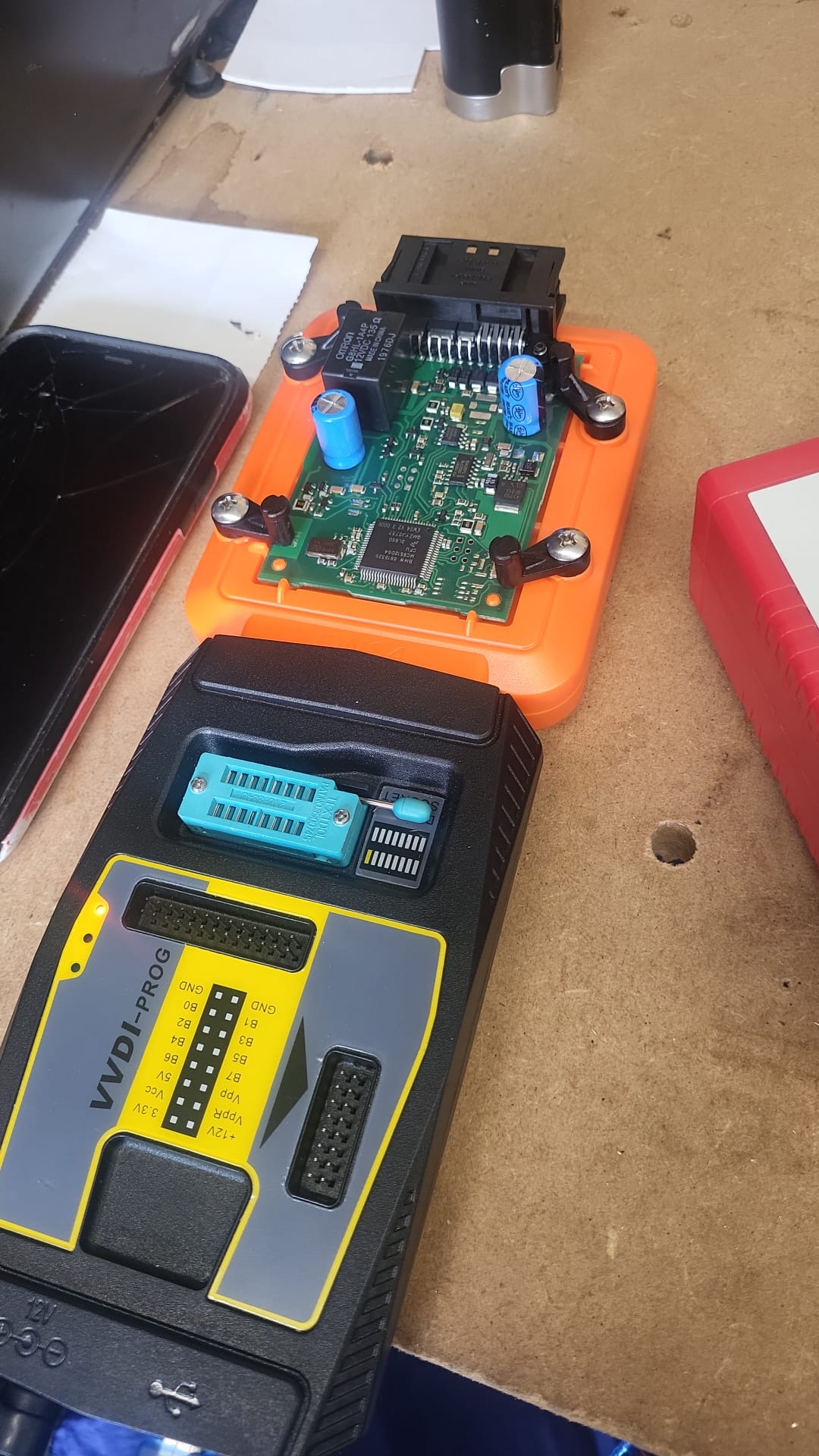
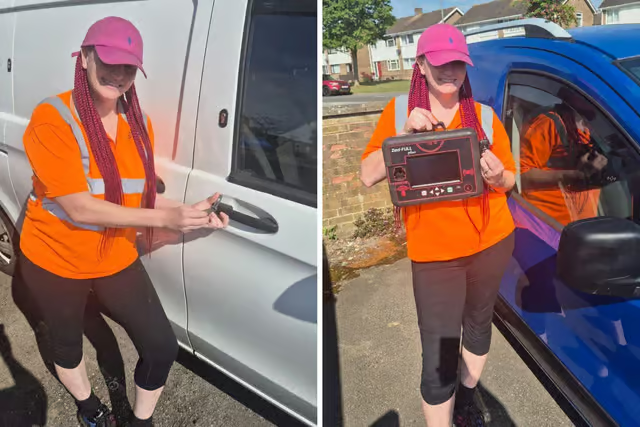
AutoKeyChase uses Zed-Full Plus, Smart Pro, Autel, ACDP, VVDI Prog, VVDI2, VVDI MB, Key Tool Plus, OSCA, R-Link, Tango, Lonsdor and KDX4. The reason for a multi-platform setup is coverage and specialist functions, not because every job uses every tool.
The correct platform is selected from the actual vehicle and procedure. Tool support can also change with software updates, so a provider should confirm the vehicle rather than promise universal programming based only on owning a brand of programmer.
What changes when no working key remains
Programming a spare while an authorised key still exists can be different from programming an all-keys-lost vehicle. Without a working key, the locksmith may need vehicle entry, blade creation and a different security-data or immobiliser procedure before the new key can be authorised.
All-keys-lost work also makes entitlement checks particularly important. Be ready to show suitable identification and vehicle evidence before security-sensitive work is completed.
If no usable key remains, use the Lost Car Keys service rather than assuming the price and procedure will be the same as a normal spare.
Can you program a key bought online?
Possibly, but compatibility must be confirmed first. A fob can have the right case and buttons but the wrong frequency, transponder, board version or smart-key specification. Some used keys also have restrictions that make them unsuitable for simple reuse.
Ask the locksmith before buying a customer-supplied key. If they support supplied parts, clarify whether programming is chargeable even if the part proves faulty or incompatible. A key that cost very little online can still be expensive if the vehicle has to be diagnosed twice because the part is wrong.
For a complete replacement, it is often simpler to let the provider specify a supported key for the registration and vehicle system.
Programming does not fix every “key not detected” fault
A vehicle that refuses to recognise a key may have a bad key, but it can also have a weak vehicle battery, antenna fault, immobiliser problem, steering-lock fault, wiring issue or module damage. Programming another key without diagnosis can add a second key to a vehicle that still will not start.
If one key works and the other does not, that comparison is useful. If neither known key works, vehicle-side diagnosis should move higher on the list. AutoKeyChase’s Immobiliser Diagnostics service is designed for supported situations where the fault may extend beyond the key.
A professional programming job includes checking the relevant functions after programming rather than assuming success because the tool displayed a completed message.
What to send before asking for key-fob programming
Provide the registration, make, model, year, exact key situation and location. Say whether the vehicle starts, whether the remote buttons work, whether a spare key exists and whether you are supplying a key or need one provided.
For smart keys, mention any “key not detected” messages and whether the problem is intermittent. For damaged remotes, a photo can help identify the case style, but internal compatibility still needs to be confirmed from vehicle information.
AutoKeyChase’s Car Key Programming service covers supported transponder, remote and smart-key programming. Car key services start from £90 where applicable, with final pricing based on the vehicle and work required.